Standardizing Your Perio Protocol Improves Patient Care
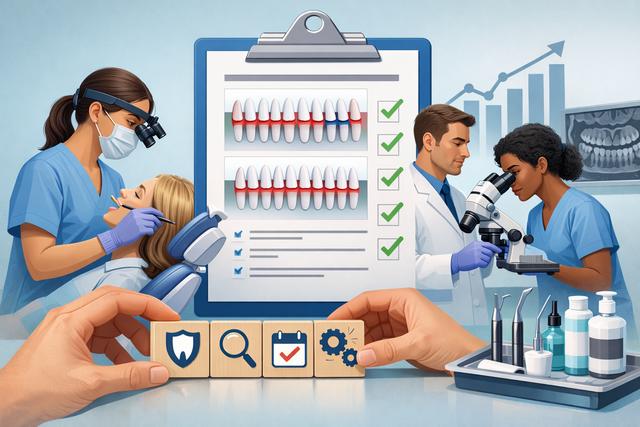
Creating a standardized Perio protocol is crucial for improving consistency in your dental practice. When you establish a clear, documented process, you ensure that every team member follows the same steps. This leads to better patient outcomes and can significantly enhance the overall efficiency of your practice. A study found that practices with standardized protocols saw a 30% increase in patient satisfaction, which can translate into higher retention rates and referrals.
Begin by gathering your team to discuss the current procedures in place. Identify gaps and inconsistencies in the way periodontal care is delivered. The goal is to create a protocol that everyone understands and can follow easily, thus reducing variations in care. For example, if one hygienist uses a different method for assessing pocket depth than another, it can lead to discrepancies in diagnosis and treatment plans.
Define Key Components of Your Protocol
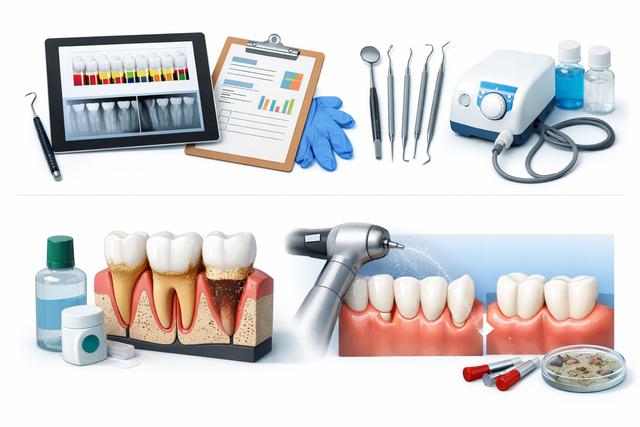
Every effective Perio protocol should include specific components that are essential for comprehensive patient care. These typically involve patient assessment, treatment planning, and follow-up care. Each of these areas needs clear guidelines to ensure that all team members know what to do. You might want to break down these components into subcategories for clarity.
For patient assessment, include detailed instructions on how to perform periodontal examinations. Specify the tools required, the measurements to take, and the documentation needed. For instance, outline the exact process for measuring probing depths, recording bleeding on probing (BOP), and assessing clinical attachment levels (CAL). This will make it easier for your staff to provide thorough and consistent assessments.
Include Treatment Options
Your protocol should also outline various treatment options based on the severity of periodontal disease. For instance, categorize treatments into three levels: mild, moderate, and severe. Each category should have recommended procedures, such as scaling and root planing for mild cases or surgical intervention for severe cases. This tiered approach allows for personalized care based on individual patient needs.
Additionally, consider incorporating evidence-based guidelines. The American Academy of Periodontology provides excellent resources that can help you align your protocol with best practices. For example, their guidelines suggest that patients with moderate to severe periodontal disease should receive a comprehensive treatment plan that includes both non-surgical and surgical options, depending on their specific conditions.
Documentation is Key
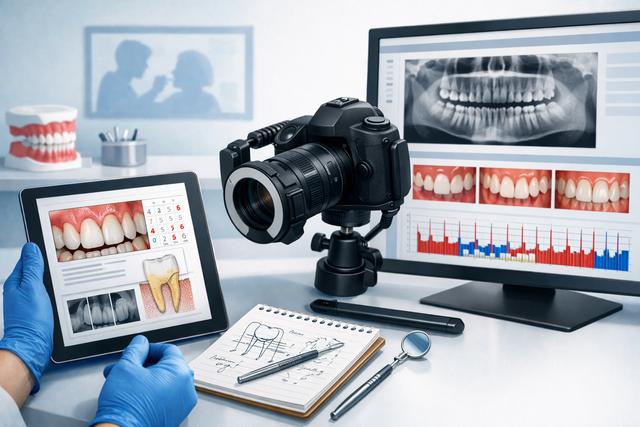
Documentation is a crucial aspect of any Perio protocol. You should have a system in place for recording patient assessments, treatment plans, and follow-up care. This not only ensures continuity of care but also helps in legal matters if any disputes arise. In fact, practices that maintain thorough documentation can reduce liability risks by up to 40%.
Utilize dental practice management software like DodoDentist to streamline this process. With features like dental charting and automated reminders, you can keep track of patient progress efficiently. Make sure your team is trained on how to use the software effectively, as this will enhance the quality of documentation and patient care.
Implement a Regular Review Process
Establishing a protocol is just the beginning; you must also review and update it regularly. Set a schedule for reviewing your Perio protocol, ideally every six months. During these reviews, assess its effectiveness and make necessary adjustments based on feedback from your team and changes in best practices. For example, if you find that certain treatments are consistently leading to better outcomes, consider incorporating those into your standard protocol.
Additionally, gather data on patient outcomes and satisfaction scores to inform your reviews. If certain procedures are not yielding the expected results, it may be time to modify your approach. Regularly updating your protocol ensures that your practice remains at the forefront of periodontal care.
Training Your Team
Once you've developed your Perio protocol, training your staff on the new procedures is essential. Conduct regular training sessions to ensure everyone is on the same page. This will not only improve adherence to the protocol but also boost team morale. According to a survey, practices that invest in ongoing training see a 25% increase in staff satisfaction and a reduction in turnover rates.
Consider using role-playing scenarios to practice different aspects of the protocol. This hands-on approach can help your team feel more comfortable with the new procedures and clarify any uncertainties. For example, simulate a patient visit where team members take turns playing the roles of the hygienist and the patient, allowing them to practice the assessment and explanation of treatment options.
Monitor Patient Outcomes
After implementing your Perio protocol, monitor patient outcomes closely. Set specific metrics to evaluate the effectiveness of your protocol. For example, track the percentage of patients who show improvement in periodontal health after treatment. Aim for at least a 70% success rate in improving probing depths and reducing BOP scores within six months of treatment.
Using software like DodoDentist, you can easily analyze data and identify trends. This will help you make informed decisions about further adjustments to your protocol. If you notice that certain demographics are not responding as well to treatment, you may need to tailor your approach for those patients.
Encourage Patient Feedback
Don’t forget to ask for feedback from your patients. Their insights can be invaluable in assessing the effectiveness of your Perio protocol. Use surveys or informal conversations to gather their opinions on their treatment experience. Aim for a response rate of at least 30% to ensure that the feedback is representative of your patient population.
For example, if multiple patients mention discomfort during a specific procedure, it might indicate a need to revise your approach. Addressing these concerns promptly can significantly enhance patient satisfaction. Consider implementing a follow-up call or email after treatment to gather feedback and show patients that you care about their experiences.
Utilize Technology for Efficiency
Incorporating technology can streamline your Perio protocol. Consider using appointment reminder systems, like SMS reminders, to keep patients informed about their upcoming appointments and follow-ups. Research shows that practices using automated reminders see a 20% reduction in no-shows, which can lead to increased revenue and improved patient care.
Automated systems can reduce no-shows and ensure that patients adhere to their treatment plans, ultimately improving their outcomes. Additionally, explore digital tools for patient education, such as video tutorials on proper oral hygiene techniques, which can empower patients to take an active role in their periodontal health.
Final Thoughts on Your Perio Protocol
Creating a standardized Perio protocol is an ongoing process that requires commitment and regular updates. By following the steps outlined in this article, you can enhance the quality of care your practice provides. Remember, a well-structured protocol not only improves patient outcomes but also boosts your practice’s reputation.
Don’t forget to leverage resources like dental practice management software to improve efficiency and record-keeping. With a solid protocol in place, you’ll not only see improvements in patient care but also in your practice’s overall performance. Regularly revisit your protocol, stay informed about new research, and adapt your practices to ensure you’re providing the best possible care for your patients.