Understand the Risks of Inhalation Exposure
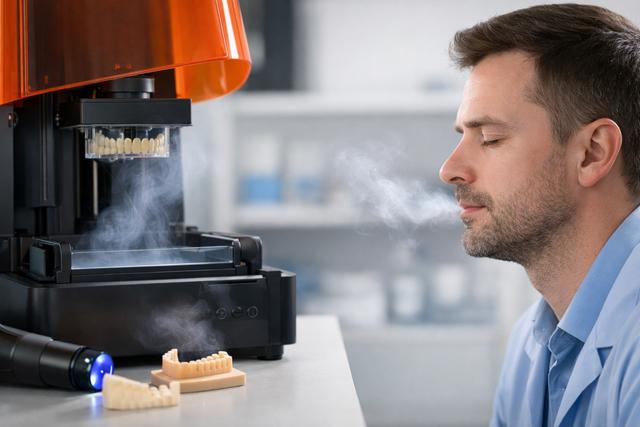
Inhalation exposure to 3D-printing emissions is a serious concern in dental practices. Studies show that these emissions can contain harmful volatile organic compounds (VOCs) and ultrafine particles that may pose health risks to dental professionals. You need to be aware of what’s being released into your work environment.
For instance, a study published in the journal *Environmental Science & Technology* found that 3D printing materials can emit VOCs at levels that exceed safety thresholds. If you're working in a small or poorly ventilated space, the risks increase significantly. In fact, research indicates that exposure to VOCs can lead to symptoms like headaches, dizziness, and respiratory issues, which can hinder your ability to perform your job effectively.
It's essential to recognize that these emissions can also accumulate over time. A 2021 study highlighted that dental professionals working with 3D printers for more than 20 hours a week reported higher instances of respiratory problems. This is a clear signal that prolonged exposure can lead to chronic health issues, making it vital for you to take preventive measures.
Know Your Materials
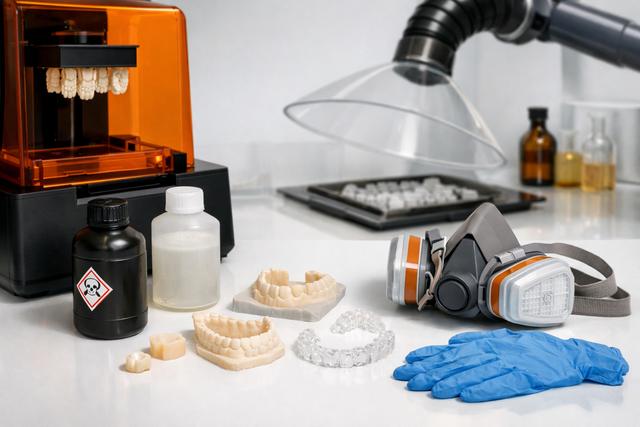
Different 3D printing materials have varying emission profiles. For example, resin-based printers often emit more harmful VOCs than filament-based printers. You should familiarize yourself with the materials you’re using and their potential hazards.
Common materials include:
- PLA (Polylactic Acid): Generally considered safe but can still emit small amounts of VOCs, particularly when heated above 200°C.
- ABS (Acrylonitrile Butadiene Styrene): Known for higher emissions of styrene, which is a potential carcinogen. Studies show that ABS can emit styrene at levels of 0.4 to 2.0 ppm, far exceeding safe exposure limits.
- Resins: Often used for high-detail prints, resins can emit significant VOCs and require careful handling. Some resins can emit isocyanates, known allergens that can cause respiratory issues.
To make informed choices, consider conducting a Material Safety Data Sheet (MSDS) review for each material you use. This will provide you with specific safety information and handling instructions, helping you mitigate risks effectively.
Implement Proper Ventilation
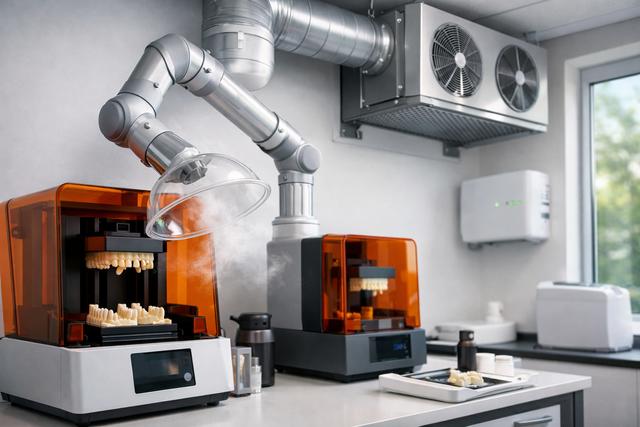
Good ventilation is essential in mitigating the risks associated with 3D printing emissions. You should ensure that your workspace has adequate airflow to disperse harmful particles and gases. Aim for a ventilation system that can exchange the air in your workspace at least 6 to 12 times per hour.
Consider using local exhaust ventilation (LEV) systems that capture emissions at the source. For example, a properly designed LEV system can reduce airborne concentrations of VOCs by up to 90%. Additionally, opening windows or using air purifiers with HEPA filters can further reduce airborne contaminants.
Regularly maintain your ventilation systems to ensure they are functioning effectively. This includes changing filters as recommended by the manufacturer and ensuring that ducts are free from obstructions. A well-maintained system not only enhances air quality but also extends the lifespan of your equipment.
Utilize Personal Protective Equipment (PPE)
While ventilation is crucial, it’s not a foolproof solution. Using PPE can provide an additional layer of safety. Masks with appropriate filters can protect you from inhaling harmful particles. N95 respirators are a good choice as they can filter out at least 95% of airborne particles.
Additionally, gloves and goggles should be worn when handling 3D printing materials, especially resins, to protect your skin and eyes from potential irritants. According to the CDC, proper PPE can reduce the risk of chemical exposure by up to 80% when used correctly.
Make it a standard practice to conduct a PPE audit every few months. Check for wear and tear on your equipment and replace items as necessary to ensure maximum protection. Provide training to your team on the importance of PPE and how to use it effectively.
Monitor Air Quality Regularly
Investing in air quality monitors can help you keep track of the levels of VOCs and particulate matter in your workspace. These devices can alert you when levels exceed safe limits, allowing you to take immediate action. For instance, portable air quality monitors can cost between $100 to $300 and provide real-time data on air quality.
Regular monitoring can also help you identify trends over time. For example, if you notice spikes in emissions during certain printing jobs, it may be time to reassess your material choices or ventilation practices. Keeping a log of air quality data can help you make informed decisions about your workspace.
Consider involving your team in this process. Assign specific members to monitor air quality regularly and report findings during team meetings. This not only fosters a culture of safety but also encourages everyone to take responsibility for maintaining a healthy work environment.
Educate Your Team
Safety is a collective responsibility. Make sure your entire team is educated about the risks associated with 3D printing emissions. Conduct training sessions that cover the proper handling of materials, the importance of PPE, and how to recognize symptoms of exposure.
Consider creating a safety manual that outlines best practices and emergency procedures in case of exposure. This proactive approach can help you create a safer working environment. You might also implement a buddy system where team members can watch out for each other’s safety during printing sessions.
Host regular safety workshops to keep everyone informed about new materials and technologies. Engaging your team in discussions about safety can empower them to voice concerns and suggest improvements, creating a culture of safety within your practice.
Stay Updated on Regulations
Regulatory guidelines regarding 3D printing emissions are evolving. Stay informed about local and national regulations that may affect your practice. The Occupational Safety and Health Administration (OSHA) provides guidelines that can help you understand permissible exposure limits for various substances.
Regularly reviewing these regulations can help you ensure compliance and protect your team from potential legal liabilities. For example, OSHA’s permissible exposure limit (PEL) for styrene is 20 ppm over an 8-hour workday, and exceeding this limit can result in fines and legal repercussions.
Consider subscribing to industry newsletters or joining professional organizations that provide updates on regulatory changes. This proactive approach can help you stay ahead of compliance issues and ensure your practice remains safe and legally compliant.
Consider Alternative Technologies
If the risks associated with 3D printing emissions are too high for your practice, consider exploring alternative technologies. For example, subtractive manufacturing methods, like milling, may produce less harmful emissions. These methods can be particularly useful for creating dental prosthetics without the associated risks of 3D printing.
Additionally, advancements in 3D printing technology are continually being made. New materials that emit fewer harmful substances are being developed, so keep an eye on innovations that could enhance safety in your practice. For instance, some companies are now producing bio-based resins that significantly reduce VOC emissions.
Participate in industry conferences and workshops to learn about new technologies and materials. Networking with other professionals can provide insights into best practices and innovations that can improve safety in your dental practice.
Conclusion: Prioritize Safety in Your Practice
As 3D printing becomes more integrated into dental practices, understanding the safety implications is crucial. By being proactive about inhalation exposure and implementing best practices, you can create a safer environment for yourself and your team.
For more information on managing your dental practice efficiently, check out our resources at DodoDentist. Whether it’s about software solutions or appointment reminders, we’ve got you covered! You can also explore our downloads for additional tools that can enhance your practice's safety and efficiency.