Prioritize Your Posture
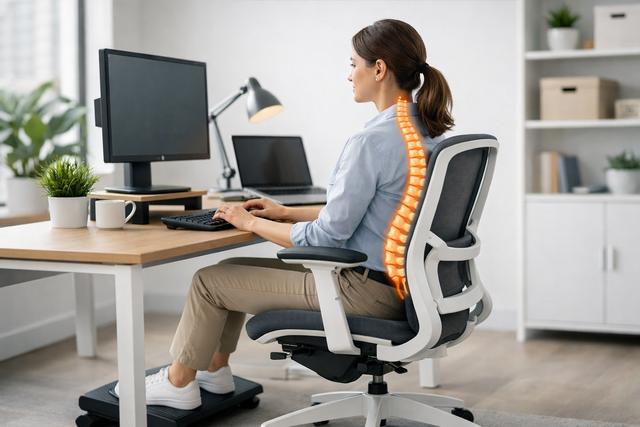
Your posture is a critical factor in preventing workplace injuries, especially in the dental profession where you often find yourself in awkward positions for extended periods. Maintaining a neutral spine while working can significantly reduce strain on your back and neck. Aim to keep your ears aligned with your shoulders and your hips. This alignment helps distribute your weight evenly and minimizes discomfort.
Consider investing in ergonomic chairs that provide lumbar support. A study showed that proper lumbar support can reduce back pain by up to 50%. Adjust your chair height so your feet rest flat on the floor, allowing for better circulation and comfort during long procedures. Additionally, using a footrest can help maintain proper leg positioning, reducing strain on your lower back.
For example, a dentist who switched to an ergonomic chair reported a 30% decrease in back pain after just one month of use. This simple adjustment can make a world of difference in your comfort level and productivity.
Optimize Your Workspace
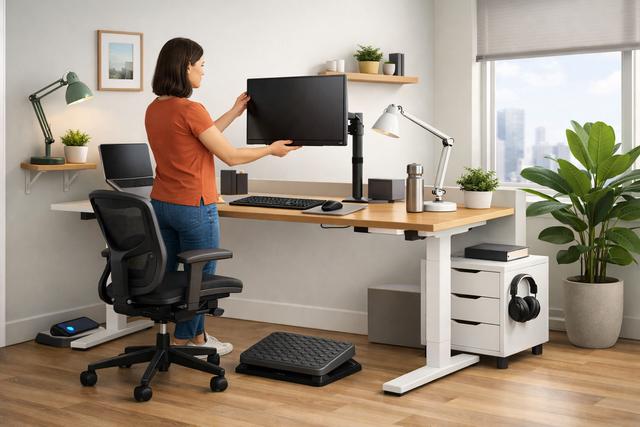
Your workspace should be designed to minimize unnecessary movements and maximize efficiency. Arrange your tools and instruments within easy reach to avoid straining your body. The less you have to twist or stretch, the better your posture will remain throughout the day.
Consider using a dental cart that’s mobile and can be positioned close to your working area. According to the American Dental Association, having tools within arm's reach can reduce the risk of repetitive strain injuries. A well-organized workspace not only enhances your comfort but also improves your workflow efficiency.
Incorporate adjustable lighting as well. Proper lighting reduces eye strain and helps you see details clearly, making your work easier and more efficient. A study found that 70% of dental professionals experience eye strain, which can lead to headaches and decreased productivity. Using LED lights with adjustable brightness can help mitigate this issue.
Incorporate Movement Breaks

Taking regular breaks is essential for your physical well-being and overall productivity. Aim to stand up and stretch every 30 minutes. Simple stretches can relieve tension in your muscles and improve circulation. Research indicates that even short breaks can enhance focus and productivity by up to 25%.
Try setting a timer on your phone or using a reminder app to prompt you to take these breaks. During your breaks, engage in light stretching or walking around your office. This not only helps your body but also refreshes your mind, allowing you to return to work with renewed focus.
Stretching Exercises
- Neck rolls: Gently roll your head in a circular motion, clockwise and then counterclockwise.
- Shoulder shrugs: Raise your shoulders towards your ears and release them down. Repeat ten times.
- Wrist stretches: Extend one arm in front and gently pull back on your fingers with the other hand. Hold for 15 seconds and switch.
- Back stretches: Stand up, place your hands on your lower back, and gently arch backwards to stretch your spine.
Use Ergonomic Tools
Investing in ergonomic dental tools can significantly reduce the strain on your hands and wrists. Look for instruments designed to minimize grip force and enhance comfort. Ergonomic handpieces, for instance, can reduce fatigue and discomfort during lengthy procedures.
Research shows that using ergonomic tools can decrease the incidence of musculoskeletal disorders among dental professionals by up to 40%. Consider handpieces with lightweight designs and those that require less pressure to operate. This can help reduce the risk of repetitive strain injuries.
For example, a dentist who switched to an ergonomic handpiece reported a noticeable reduction in wrist pain and an increase in patient treatment speed. Additionally, using instruments with larger handles can help distribute pressure more evenly, further reducing strain.
Practice Safe Lifting Techniques
When moving equipment or patients, using proper lifting techniques is essential to protect your back. Bend at your knees, not your waist, and keep the load close to your body. This technique reduces the risk of back injuries and strains.
Training your team on safe lifting practices can also significantly reduce the risk of injury. According to the Occupational Safety and Health Administration (OSHA), proper lifting techniques can prevent up to 60% of workplace injuries. Make sure everyone is aware of these techniques and encourage a culture of safety in your practice.
Safe Lifting Tips
- Keep your feet shoulder-width apart for balance.
- Engage your core muscles while lifting to provide additional support.
- Ask for help when lifting heavy items, such as equipment or patients.
- Use dollies or carts for transporting heavy materials whenever possible.
Stay Hydrated and Nourished
Your physical condition directly affects your ability to work ergonomically. Staying hydrated can enhance your focus and energy levels, reducing fatigue. Aim to drink at least 2 liters of water daily, especially during busy days when you may forget to hydrate.
Keep a water bottle handy and take sips throughout the day. Proper nutrition also plays a role; balanced meals can provide the energy you need to maintain good posture and focus. Incorporate fruits, vegetables, and whole grains for sustained energy levels.
For instance, a dental hygienist who improved her diet and hydration reported a 20% increase in her energy levels, allowing her to work more efficiently and comfortably.
Implement Regular Ergonomic Assessments
Regular ergonomic assessments can help identify potential hazards in your workplace. Schedule assessments every six months to evaluate your workspace and practices. This proactive approach can lead to a healthier work environment and lower injury rates.
Consider using checklists to ensure all aspects of ergonomics are covered. A detailed assessment can help you identify areas needing improvement, such as workstation setup or tool arrangement. Research shows that practices that conduct regular ergonomic assessments see a 30% reduction in reported injuries.
Assessment Checklist
- Are your tools within easy reach?
- Is your chair adjustable?
- Do you take regular breaks?
- Is your workspace well-lit?
- Are you using ergonomic tools?
Leverage Technology
Using technology can streamline your workflow and reduce physical strain. Dental practice management software like DodoDentist can help you manage appointments and patient records efficiently. By automating administrative tasks, you can focus on patient care, which reduces the time spent in awkward positions.
Moreover, using software to send automatic reminders can decrease no-shows by up to 80%, allowing you to manage your time better and reducing the stress of last-minute adjustments. This not only improves patient satisfaction but also enhances your practice's overall efficiency.
Conclusion
By implementing these ergonomic practices, you can significantly reduce the risk of workplace injuries. Prioritize your posture, optimize your workspace, and incorporate movement breaks into your routine. Remember, your health is crucial for your career longevity.
Regularly assess your ergonomics and make adjustments as needed. For more resources on managing your dental practice, check out our complete guide. Taking these steps today will lead to a healthier, more productive work environment tomorrow.