Understand the Current State of Implant Education

The gap in undergraduate implant education in the UK and Ireland is significant and concerning. Recent studies indicate that only about 25% of dental schools include comprehensive implant training in their curriculum. This lack of education can severely impact your ability to provide quality care and manage your practice effectively.
Many dental graduates report feeling unprepared to handle implant procedures. A survey conducted by the British Dental Association found that 70% of graduates felt their education did not sufficiently prepare them for real-world implant situations. This lack of preparation affects not only your confidence but also your ability to manage your practice effectively.
For instance, if you're not confident in your implant skills, you might hesitate to offer these services, leading to lost revenue opportunities. A well-rounded education in implants is crucial for the success of your dental practice, as it directly correlates with patient satisfaction and retention.
The Importance of Comprehensive Implant Training

Comprehensive implant training equips you with the skills necessary to perform procedures safely and effectively. Practices offering implant services see a 30% increase in patient retention, which can significantly boost your bottom line. Patients are increasingly seeking dental practices that offer implants, and if you lack training, you might miss out on this lucrative market.
Consider this: a practice that performs 10 implants a month can generate an additional £20,000 annually, assuming an average fee of £2,000 per implant. This figure highlights the financial incentive to provide implant services. Moreover, patients are more likely to return for follow-up care when they feel confident in the treatment they received.
Furthermore, comprehensive training can also decrease complication rates. Studies show that trained practitioners have a 50% lower complication rate compared to those without formal training. This not only enhances patient safety but also protects your practice from potential legal issues.
Identifying the Gaps in Current Education
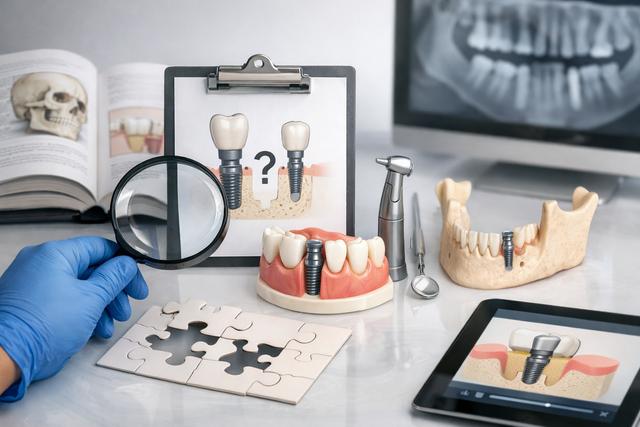
Many dental schools focus primarily on traditional restorative techniques, neglecting the nuances of implantology. This oversight can lead to a lack of foundational knowledge among new graduates. For instance, a survey revealed that 60% of dental students felt they had inadequate exposure to implant procedures during their studies.
Furthermore, hands-on experience is often limited. Students typically receive only a few hours of practical training on implants, which is far from sufficient. A dental school in Ireland reported that students only completed five implant placements during their entire course of study. This lack of practical experience can lead to hesitation and uncertainty when you first enter practice.
To address these gaps, dental schools must integrate more hands-on training opportunities into their programs. Institutions that offer externships or partnerships with dental practices can provide students with the necessary exposure to real-world scenarios. This can significantly enhance your readiness to perform implants upon graduation.
Impact on Practice Management
The gaps in implant education can lead to significant challenges in practice management. If you’re not trained in implants, you may struggle to market your practice effectively. This can hinder your ability to attract new patients and retain existing ones, ultimately affecting your practice’s growth.
Moreover, inadequate training can result in complications during procedures, which can damage your reputation. A study found that practices with poorly trained staff faced a 40% higher rate of complications. This not only affects patient outcomes but also increases costs due to potential legal issues. For example, if a complication occurs, the average cost for legal defense can exceed £10,000, not to mention the potential loss of income from a damaged reputation.
Effective practice management requires you to be confident in the services you offer. If your patients perceive that you lack expertise, they may seek treatment elsewhere. Establishing a strong reputation for quality care in implantology can set your practice apart from competitors.
How to Address the Gaps
To address these educational gaps, consider pursuing additional training opportunities. Numerous online courses and workshops focus on implantology, often providing CE credits. For instance, the International Congress of Oral Implantologists offers a variety of courses that can enhance your skills.
Additionally, joining professional organizations can provide access to resources and networking opportunities. Many organizations offer specialized training programs that focus on the latest techniques and best practices in implant dentistry. For example, the British Academy of Aesthetic Dentistry offers workshops that can help you stay updated on advancements in the field.
Moreover, seeking mentorship from experienced practitioners can provide invaluable insights and guidance. A mentor can help you navigate complex cases and offer advice on best practices. Building a network of professionals can also lead to collaborative opportunities that enhance your learning and practice.
Utilizing Technology for Better Education
Technology can play a significant role in bridging the education gap. Dental practice management software, like DodoDentist, can help you manage your practice more efficiently while you focus on improving your skills. The software offers features that streamline appointment scheduling and patient management, allowing you to dedicate more time to learning.
Moreover, online platforms that provide virtual training can be incredibly beneficial. These platforms often feature interactive modules, allowing you to learn at your own pace. For example, platforms like Coursera and Udemy offer courses on implant dentistry that can be accessed anytime, making it easier to fit learning into your busy schedule.
In addition to online courses, consider using simulation software that allows you to practice implant procedures in a risk-free environment. These simulations can enhance your confidence and skills before you start performing procedures on actual patients.
Encouraging a Culture of Continuous Learning
Encouraging a culture of continuous learning within your practice can significantly improve your team's skills. Regular training sessions and workshops can keep your staff updated on the latest advancements in implant dentistry. This not only enhances skills but also fosters a sense of teamwork and collaboration.
Creating an environment where learning is prioritized can boost morale. When your team feels confident in their abilities, it reflects positively on patient care and practice management. Consider setting aside time each month for team training sessions focused on new techniques or technologies in implant dentistry.
Additionally, recognize and reward team members who pursue further education. This can motivate others to follow suit and create a culture of growth and development within your practice.
Conclusion: Invest in Your Education
Investing in comprehensive implant education is crucial for your growth as a dental professional. The gaps in current undergraduate education can have lasting effects on your practice management and patient care.
By pursuing additional training, utilizing technology, and fostering a culture of continuous learning, you can enhance your skills and improve your practice. Remember, the more knowledgeable you are, the better equipped you’ll be to meet the needs of your patients and manage your practice effectively.
For more resources on improving your dental practice management, check out our complete guide on dental practice management software. It can provide you with valuable insights to streamline your operations and enhance patient care.