Understand the Average Time for Prophy Procedures
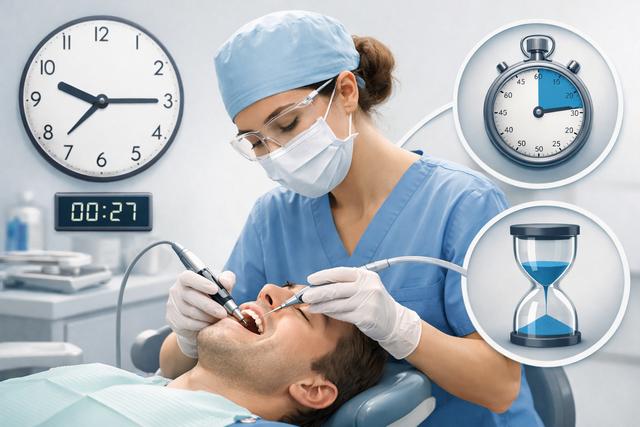
Typically, a prophy (prophylaxis) appointment should last around 30 to 60 minutes. For new graduate hygienists, this time can vary significantly based on their experience and comfort level. A recent survey indicated that fresh graduates often take about 45 to 75 minutes for a prophy, which is longer than the ideal time. Identifying the reasons behind this delay can help you optimize their performance.
In contrast, experienced hygienists tend to complete the same procedure in approximately 30 to 40 minutes. This difference underscores the importance of training and efficiency improvements for new hygienists. For example, if your practice has a goal of seeing 10 patients a day, a hygienist taking 75 minutes per prophy will only see 6 patients, compared to 8 patients when they’re more efficient.
Identify Common Challenges Faced by New Graduates

New graduate hygienists often face several challenges that can slow them down. These include:
- Inexperience: They may not be familiar with the tools and techniques, leading to longer appointment times. For instance, they might take extra time to locate instruments or set up their workstations.
- Patient Management: Handling anxious patients can take extra time if they lack strategies for effective communication. New graduates might spend more time than necessary trying to reassure nervous patients.
- Time Management: New graduates may struggle with pacing themselves during procedures. They might spend too long on one part of the cleaning or get sidetracked by patient questions.
Addressing these challenges can significantly improve their efficiency and reduce appointment times. For example, conducting role-playing scenarios can help new hygienists practice managing patient anxiety, allowing them to become more adept at calming patients quickly.
Implement Structured Training Programs
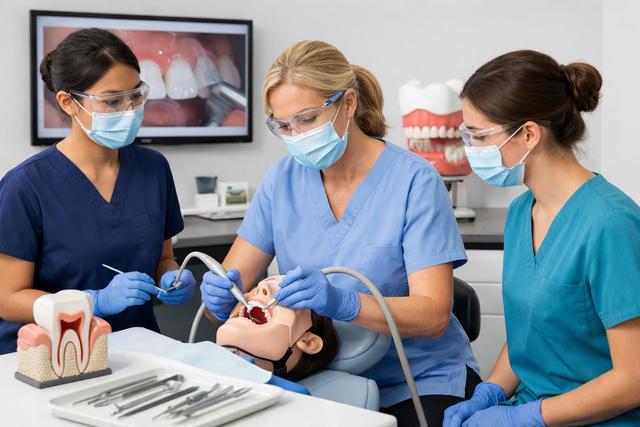
To enhance the performance of your new hygienists, consider implementing structured training programs. These programs should focus on both technical skills and patient management. For instance, dedicating one week to hands-on practice with supervision can help them gain confidence and improve their speed.
Additionally, consider pairing new graduates with experienced hygienists for mentorship. This approach allows them to learn effective techniques and time-saving tips directly from seasoned professionals. For example, an experienced hygienist might demonstrate how to efficiently use ultrasonic scalers, reducing the time spent on manual scaling.
Moreover, you could organize weekly training sessions covering different aspects of hygiene practices, from the latest techniques to time management strategies. This could include workshops on how to effectively communicate with patients and manage their expectations, which can significantly reduce appointment times.
Utilize Dental Practice Management Software
Investing in dental practice management software like DodoDentist can streamline your operations and optimize hygienist performance. Features such as appointment scheduling, patient records, and treatment tracking can reduce administrative burdens, allowing hygienists to focus more on patient care.
For example, with DodoDentist, you can automate appointment reminders, reducing no-shows and ensuring that hygienists have a full schedule. This not only maximizes their time but also enhances patient flow in your practice. Studies show that practices using automated reminders can reduce no-shows by up to 30%.
Additionally, the software can provide hygienists with quick access to patient histories and preferences, allowing them to tailor their approach and reduce the time spent on each appointment. By integrating technology into your workflow, you can create a more efficient environment for both staff and patients.
Monitor Performance Metrics
Regularly monitoring performance metrics is crucial for understanding how efficiently your hygienists are working. Track the average time taken for prophy procedures and compare it against industry benchmarks. If you notice that a new graduate consistently exceeds the average time, it may be time to intervene.
Consider using a simple dashboard to visualize these metrics. This can help hygienists see their progress and identify areas for improvement. For instance, if they notice they’re taking longer than their peers, they might be motivated to adopt more efficient techniques. You could also implement a friendly competition among hygienists to encourage faster prophy times while maintaining quality care.
Moreover, consider setting monthly performance reviews where you discuss these metrics with your hygienists. This can provide them with valuable feedback and set clear goals for improvement.
Encourage Feedback and Communication
Creating an open environment for feedback can significantly boost the performance of your hygienists. Encourage them to share their experiences and challenges during team meetings. This can lead to collective problem-solving and sharing of best practices.
Additionally, consider conducting anonymous surveys to gather honest feedback. This can help you identify specific areas where new hygienists may need more support or resources. For example, if several hygienists express difficulty in managing time, you can address this through targeted training sessions.
Establishing a mentorship program can also facilitate communication. Regular check-ins between new hygienists and their mentors can create a supportive atmosphere where they can discuss challenges and successes openly.
Set Clear Expectations and Goals
Setting clear expectations for your hygienists can help them understand what’s required of them. Outline specific goals for prophy appointment times and provide benchmarks they should aim for. For example, you might set a target of 40 minutes for prophy appointments. Make sure these targets are realistic and achievable based on their experience levels.
Regularly review these goals and provide feedback on their progress. This not only keeps them accountable but also helps them strive for continuous improvement. You could implement a reward system for those who consistently meet or exceed their targets, fostering motivation and a sense of achievement.
Consider using visual aids, such as charts or graphs, displayed in the break room, to track individual and team performance. This can reinforce goals and motivate hygienists to improve their efficiency.
Leverage Technology for Efficiency
Incorporating technology into your practice can lead to significant efficiency gains. For instance, using digital tools for charting and patient notes can save time during appointments. New hygienists can quickly input data without the need for lengthy written notes.
Consider exploring the features of DodoDentist, which offers a comprehensive platform for managing dental practices. Using such tools can streamline workflows and allow hygienists to focus on providing quality care. For instance, having a digital patient chart that automatically updates with each appointment can save time and reduce errors.
Utilizing video tutorials or online training modules can also be beneficial. These resources allow new hygienists to learn at their own pace and revisit complex topics as needed, ensuring they’re well-prepared for their appointments.
Conclusion: Optimize Your Hygienists’ Performance
By understanding how long your hygienists take for prophy procedures and addressing the challenges they face, you can significantly enhance their efficiency. Implement structured training, utilize dental practice management software, and monitor performance metrics to create a more productive environment.
For more insights on improving your dental practice, check out our complete guide to dental practice management software. By investing in your team and leveraging technology, you can ensure that your practice thrives and meets patient expectations. Remember, the goal is not just to reduce time but to enhance the overall quality of care provided to your patients.