Understand the Importance of Accurate Caries Diagnosis
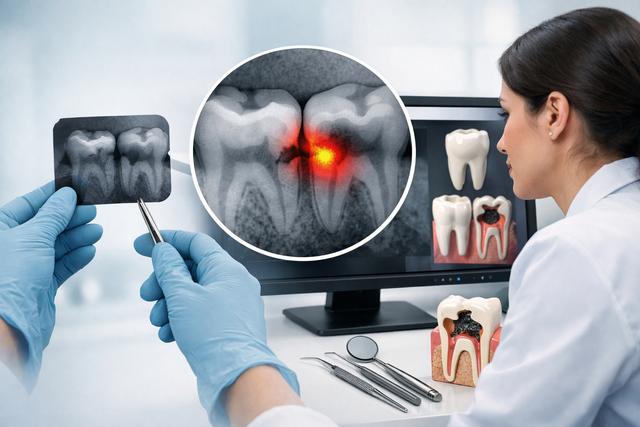
Accurate diagnosis of caries is crucial for effective treatment planning. Misdiagnosis can lead to unnecessary procedures or, worse, untreated decay. Studies show that approximately 80% of carious lesions are detected through radiographic examination, making your skills in interpreting bitewings essential. A misdiagnosed carious lesion can cost your practice not only financially but also in patient trust.
Being proficient in caries diagnosis not only improves patient outcomes but also enhances your practice's reputation. When patients trust your expertise, they’re more likely to return for regular check-ups and recommend your services. Consider this: practices with high patient retention rates typically see a 25% increase in annual revenue.
Get Familiar with Bitewing Radiographs
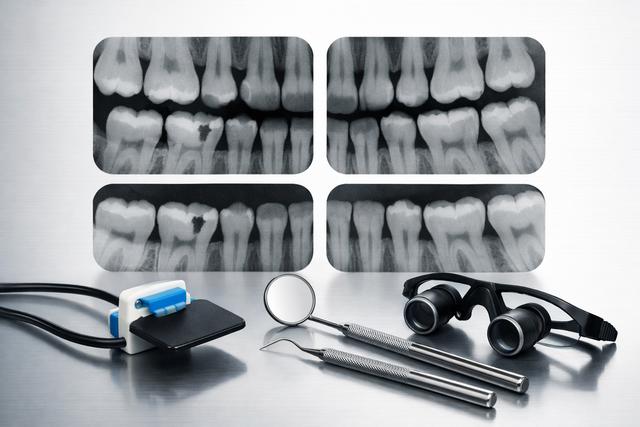
Bitewing radiographs are a powerful tool for caries detection. These images provide a clear view of the interproximal areas of teeth, where caries often develop unnoticed. Familiarize yourself with the anatomy present in bitewings, including the crown, root, and surrounding bone structures. Understanding the normal anatomy is crucial for identifying abnormalities.
Practice interpreting bitewings by reviewing case studies or using digital imaging software. The more comfortable you become with these images, the better you'll be at identifying potential issues early. You can also utilize online platforms or forums to access a variety of bitewing cases for study.
Utilize Technology for Enhanced Diagnosis
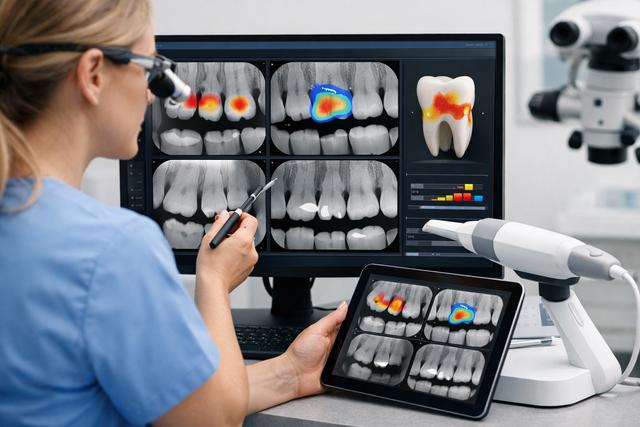
Incorporating technology can significantly improve your diagnostic accuracy. Software solutions like DodoDentist can assist in managing patient records and analyzing radiographic data efficiently. This can save you time and help you focus more on patient care. For instance, using a DICOM viewer can enhance your ability to visualize bitewings, allowing for better identification of carious lesions.
Moreover, consider investing in digital sensors that provide higher resolution images than traditional film. Research indicates that digital radiography can reduce radiation exposure by up to 80%, making it a safer option for both you and your patients. The clarity of digital images often allows for earlier detection of caries, which can lead to less invasive treatments.
Implement a Systematic Approach to Diagnosis
Adopting a systematic approach when analyzing bitewings can help streamline your diagnosis process. Start by evaluating the overall quality of the radiograph. Ensure there’s no distortion or blurring that could affect interpretation. A well-exposed radiograph is essential; if it’s too light or too dark, you may miss critical details.
Next, assess the interproximal areas for signs of caries. Look for radiolucent areas that indicate demineralization. Keep in mind that early-stage caries may appear subtle, so practice recognizing these signs. For example, a study published in the Journal of Dental Research found that 30% of radiographically detected caries were not clinically visible.
Follow a Checklist for Diagnosis
- Check for clarity and quality of the radiograph.
- Identify the interproximal areas.
- Look for radiolucent lesions.
- Assess the depth of any detected caries.
- Consider the patient's history and risk factors.
By following this checklist, you can ensure that you’re not overlooking any critical details. Additionally, consider documenting your findings in a standardized format to make it easier to track changes over time.
Engage in Continuous Education
Continuously enhancing your knowledge is vital for staying updated on caries diagnosis techniques. Attend workshops, webinars, or courses focused on radiographic interpretation and caries management. Many dental associations offer continuing education credits that can also benefit your professional development.
For example, you might find value in a course that emphasizes the latest techniques and technologies in caries detection. Networking with peers and experts can also provide insights into best practices and emerging trends. Join professional organizations like the American Dental Association (ADA) or the International Association for Dental Research (IADR) to access resources and educational opportunities.
Practice Makes Perfect
Regular practice is key to mastering caries diagnosis. Set aside time each week to review bitewing radiographs, either from your own practice or from case studies. The more you practice, the more confident you'll become in your diagnostic skills. You might also consider using simulation software that allows you to practice without the pressure of real-time patient interactions.
Consider forming a study group with colleagues. Sharing insights and discussing challenging cases can provide new perspectives and enhance your learning experience. Additionally, you can engage in peer reviews where you evaluate each other’s diagnostic decisions, which can lead to improved accuracy and confidence.
Incorporate Patient Education
Educating your patients about caries and their prevention is equally important. Use your diagnosis as a teaching moment to explain the significance of regular check-ups and good oral hygiene. Providing patients with visual aids, like a tooth numbering chart, can help them understand their dental health better.
When patients are informed, they’re more likely to engage in preventive care. Consider providing educational pamphlets or hosting workshops on oral health that cover topics such as diet, brushing techniques, and the importance of fluoride. This proactive approach can reduce the incidence of caries in your patient population.
Monitor and Review Your Diagnoses
Finally, regularly reviewing your diagnostic decisions can help identify areas for improvement. Consider keeping a log of your diagnoses and treatment outcomes to analyze trends and discrepancies. This practice not only enhances your skills but also contributes to continuous improvement in your clinical practice.
For example, if you notice a pattern of misdiagnosis in certain cases, revisit those images and your decision-making process. This reflective practice can sharpen your skills and lead to better outcomes. Additionally, consider conducting audits of your diagnostic accuracy to quantify your performance over time.
Conclusion
Improving your caries diagnosis skills using bitewings is a continuous journey. By understanding the importance of accurate diagnosis, utilizing technology, and engaging in regular practice, you’ll enhance your proficiency and ultimately provide better care for your patients. Don’t forget to leverage resources like DodoDentist to support your practice along the way. The investment in your skills will pay off in the long run through improved patient satisfaction and practice growth.