Understand the Unique Challenges
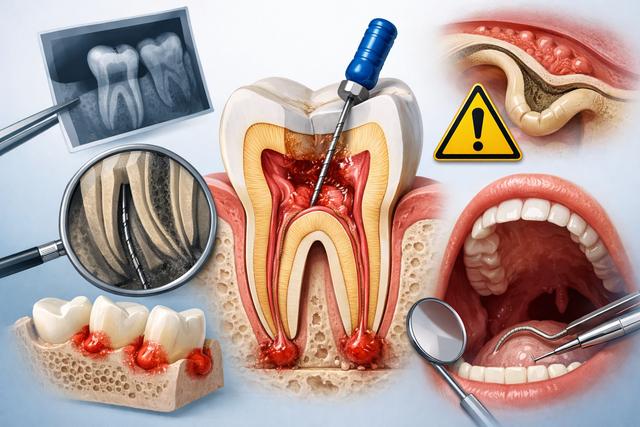
Performing molar root canals in resource-limited settings presents several unique challenges. Limited access to advanced technology and materials can hinder your ability to provide optimal care. For instance, you may not have access to rotary endodontic instruments, which can significantly improve the efficiency and success of root canal treatments. Without these tools, you might have to rely solely on manual instrumentation, which can be time-consuming and less effective.
Moreover, the lack of a sterile environment can increase the risk of infection, complicating the procedure. A study found that approximately 30% of root canal treatments fail due to inadequate aseptic techniques. Understanding these challenges is the first step in overcoming them. To mitigate these risks, consider implementing strict sterilization protocols and using disposable materials whenever possible.
Prioritize Patient Assessment

Before proceeding with a molar root canal, thorough patient assessment is crucial. Assess the patient's medical history, dental history, and current symptoms to determine the likelihood of success. For example, if a patient has a history of dental abscesses or systemic health issues like diabetes, their case may require more careful consideration and possibly a referral to a specialist.
Utilizing a simple checklist can help streamline this process:
- Medical history review: Identify any underlying conditions that could affect healing.
- Previous dental treatments: Understand past interventions and their outcomes.
- Current symptoms and pain levels: Use a pain scale to quantify discomfort.
- Radiographic examination: Take high-quality X-rays to assess the extent of the issue.
By conducting a thorough assessment, you can better predict the success of the procedure and tailor your approach to each patient's needs.
Optimize Your Tools and Techniques

In resource-limited settings, you may not have access to the latest technology, but you can still optimize the tools you do have. Manual instrumentation can be effective if rotary instruments aren't available. Invest in high-quality hand files and ensure you know how to use them properly. Practice your technique to increase efficiency and reduce the time spent on each case.
Consider using a rubber dam to improve visibility and maintain a sterile field. A study showed that the use of rubber dams can reduce the risk of contamination by up to 90%. This is particularly important in resource-limited environments where infection control is paramount. If rubber dams are not available, improvising with sterile gauze can help to some extent.
Additionally, familiarize yourself with various hand instrumentation techniques, such as the step-back technique or crown-down technique. These methods can help you navigate complex canal systems more effectively, even with limited tools.
Utilize Digital Resources
Digital resources can be invaluable when performing root canals in challenging settings. For instance, online tutorials and webinars can provide you with updated techniques and tips that can enhance your skills. Websites like DodoDentist offer a wealth of information that can help you stay informed about the latest developments in endodontics.
Additionally, consider using dental software for patient management and record-keeping. This can streamline your workflow, allowing you to focus more on patient care. Implementing reliable dental practice management software can increase your efficiency by up to 30%. For example, software that automates appointment reminders can reduce no-shows significantly, giving you more time to focus on treatments.
Manage Pain Effectively
Pain management is a critical aspect of performing root canals. In resource-limited settings, you may have limited options for anesthesia. It’s essential to communicate with your patients about what they can expect during the procedure. Being transparent about the process can alleviate anxiety and improve their overall experience.
Consider using local anesthetics effectively to manage pain. A study indicated that proper administration of local anesthesia can reduce pain perception by 70%. Techniques such as infiltration or nerve blocks can be utilized based on the patient's needs. If you can, offer nitrous oxide as an additional option for those who may be anxious about the procedure. This can lead to a more relaxed patient and a smoother procedure.
Educate Your Patients
Educating your patients about the root canal process can significantly improve their experience. Make sure they understand the purpose of the treatment and what to expect during recovery. This can alleviate anxiety and improve compliance with post-operative care. Consider creating educational materials or handouts that explain the procedure in simple terms.
Provide clear instructions on aftercare, including pain management and signs of complications. For example, inform them that mild swelling is normal but severe pain or prolonged swelling should prompt a return visit. You might also want to educate them on the importance of follow-up appointments to monitor the healing process.
Follow-Up Care is Essential
After performing a molar root canal, follow-up care is vital for ensuring the success of the treatment. Schedule a follow-up appointment within a week to assess healing and address any concerns the patient may have. This is particularly important in resource-limited settings where access to care can be sporadic.
During the follow-up, evaluate the tooth’s response to percussion and palpation. If complications arise, such as persistent pain or swelling, be prepared to intervene promptly. Studies suggest that timely follow-up can improve treatment success rates by up to 50%. Providing a clear follow-up plan can help ensure that patients understand the importance of returning for evaluations.
Leverage Community Resources
In resource-limited settings, community resources can provide additional support. Collaborate with local dental schools or clinics that may have access to advanced equipment or specialists who can assist in complex cases. Building a network can enhance your practice and improve patient outcomes.
Additionally, consider organizing community dental health workshops to educate the public on oral hygiene and the importance of timely dental care. This proactive approach can help reduce the number of complex cases you encounter. For example, conducting a workshop on the importance of regular dental check-ups can increase community awareness and lead to earlier intervention in dental issues.
Invest in Continuous Learning
Continuous learning is crucial for improving your skills and knowledge in performing molar root canals. Attend workshops, seminars, or online courses to stay updated on best practices and new techniques. For instance, participating in a hands-on workshop can enhance your skills significantly.
According to research, dental professionals who engage in continuous education report a 40% increase in confidence when performing complex procedures. Look for local or online courses that focus on endodontics, as these can provide valuable insights into new materials and techniques that are applicable even in resource-limited settings.
In summary, performing molar root canals in resource-limited settings requires strategic planning and adaptability. By understanding the challenges, prioritizing patient assessment, optimizing your tools, and investing in continuous learning, you can enhance your practice and provide quality care to your patients. For more insights on improving your dental practice, check out this article on attracting new patients.