Understand the Role of an RDH
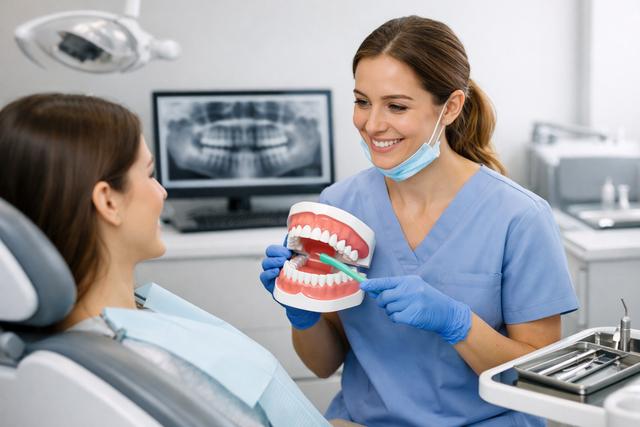
Before stepping into an interview, you need to grasp what a Registered Dental Hygienist (RDH) does. Your primary responsibilities include patient care, education, and preventive treatments. Knowing this helps you align your answers with the clinic's needs. An RDH typically spends about 80% of their time on direct patient care, which includes cleaning teeth, applying sealants, and educating patients about oral hygiene.
For instance, if you’ve previously conducted oral hygiene workshops, mention specific outcomes, like a 30% increase in patient compliance with at-home care. You might say, "In my last position, I organized a workshop that led to a 25% increase in patients returning for regular cleanings within six months." This shows you can contribute effectively to the practice and highlights your proactive approach.
Research the Dental Practice
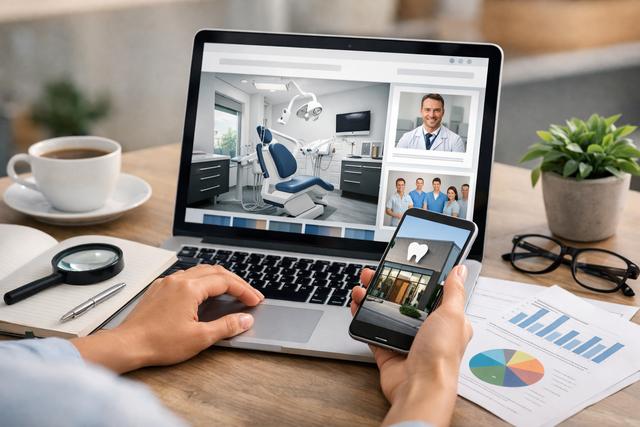
Don’t walk into an interview without knowing about the dental practice. Research their services, values, and community involvement. This knowledge not only impresses the interviewer but also helps you tailor your responses. Look for information on their website, social media, and patient reviews.
For example, if the practice emphasizes family dentistry, you can discuss your experience with pediatric patients or how you handle anxious children. You might say, "I’ve worked with children for over three years and developed techniques that help them feel comfortable, such as using visual aids to explain procedures." This makes you a more attractive candidate and shows you understand the practice's focus.
Prepare for Common Interview Questions

Anticipate common questions like “What is your experience with periodontal care?” or “How do you handle difficult patients?” Prepare structured responses that highlight your strengths and experiences. According to a survey, 75% of interviewers appreciate candidates who can provide concrete examples of their skills.
Utilize the STAR method (Situation, Task, Action, Result) to articulate your answers. If you had a challenging patient, describe the situation, your approach, and the positive outcome. For example, "I once had a patient who was very anxious about dental procedures. I took the time to explain each step and used a gentle touch, which led to a successful cleaning and a follow-up appointment scheduled right away." This method provides clarity and demonstrates your problem-solving skills.
Showcase Your Technical Skills
Employers look for specific technical skills, including knowledge of dental software and tools. Familiarize yourself with popular dental management software, such as DodoDentist, which streamlines clinic operations. Being proficient in software can save the clinic time and reduce errors, making you a valuable asset.
During the interview, mention your proficiency in using software that enhances patient care or practice efficiency. For instance, you could say, "I’m experienced in using DodoDentist for appointment management and patient records, which significantly reduces administrative errors and enhances patient satisfaction. In my previous role, I helped reduce appointment scheduling errors by 40% through effective use of our software systems."
Dress Professionally
Your appearance matters. Dress in professional attire that reflects your respect for the interview process. A clean, polished look can make a positive first impression. According to a study, 55% of first impressions are based on appearance.
Consider wearing scrubs or business casual attire that’s both comfortable and professional. This not only shows your seriousness about the position but also your understanding of the dental environment. You might even want to bring a lab coat, as it can help you feel more in the role during the interview. A neat appearance combined with a friendly demeanor can set the tone for a positive interaction.
Prepare Questions for the Interviewer
Asking questions demonstrates your interest in the role and helps you assess if the practice is the right fit for you. Prepare thoughtful questions about the clinic's culture, patient demographics, and continuing education opportunities. Research shows that candidates who ask questions are perceived as more engaged and interested.
For example, you might ask, “How does the clinic support ongoing education for its hygienists?” or “What are the most common procedures performed here?” This shows you’re committed to professional growth and understanding the clinic's operations, which is a quality many employers value.
Practice Active Listening
During the interview, practice active listening. This means fully concentrating on what the interviewer is saying rather than just waiting for your turn to speak. Acknowledge their points and respond thoughtfully. Studies show that active listening can improve communication effectiveness by 50%.
For instance, if they mention a specific challenge the practice faces, relate your experience in overcoming similar issues. You could say, "I noticed that you mentioned challenges with patient retention. In my last role, I implemented a follow-up system that increased our patient return rate by 20% over six months." This shows that you’re not just a good communicator but also a problem solver.
Follow Up After the Interview
Don’t forget to send a follow-up email thanking the interviewer for their time. This simple gesture can set you apart from other candidates. A study found that 80% of candidates do not send a follow-up, which means you can stand out easily.
Express your enthusiasm for the position and briefly reiterate why you’re a great fit. For example, you could write, “I appreciated the opportunity to discuss how my experience with patient education aligns with your practice’s goals. I look forward to the possibility of contributing to your team.” This leaves a positive impression and keeps you top of mind.
Leverage Technology for Interview Prep
Utilize technology to enhance your interview preparation. Online platforms offer mock interviews, feedback, and resources tailored to dental professionals. You can practice your answers and get constructive criticism. Websites like Glassdoor can provide insights into specific interview questions asked by other candidates.
Consider using video conferencing tools for mock interviews to simulate the real experience. This can help you become more comfortable with video interviews, which are increasingly common. You could also record yourself to review your body language and tone, making necessary adjustments before the actual interview.
Conclusion
Navigating the RDH interview process doesn’t have to be daunting. By understanding the role, preparing for common questions, and showcasing your skills, you can boost your chances of landing the job. Remember, preparation is key. Take the time to research, practice, and follow up, and you’ll walk into that interview with confidence.
For more resources and tools to support your dental practice, check out DodoDentist for comprehensive clinic management solutions. With the right preparation and tools, you’ll be well on your way to securing that RDH position.