Open Margins: A Common Dental Lab Issue
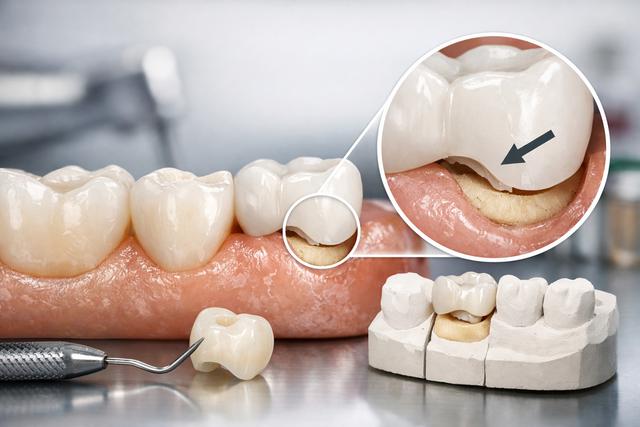
Open margins can lead to significant problems in dental restorations, affecting both the quality of work and patient satisfaction. When margins are not sealed properly, it can result in microleakage, leading to decay and potential failure of the restoration. Studies show that up to 30% of crowns may have open margins, which can compromise the longevity of the treatment.
To combat open margins, you need to ensure that your impressions are accurate. Using high-quality materials and techniques can significantly reduce the chances of errors during the impression-taking process. This means investing in not only the right tools but also the right training for your staff to ensure they’re familiar with the latest techniques.
Improving Impression Techniques

Start by selecting the right impression material for your procedures. For example, polyvinyl siloxane (PVS) is known for its accuracy and stability, making it a preferred choice for many dentists. Ensure you’re following the manufacturer’s instructions for mixing and setting times to achieve optimal results. A study found that using PVS can yield up to 98% accuracy in impressions when handled correctly.
Additionally, consider using a dual-arch tray for impressions. This method can increase accuracy by minimizing distortion during the impression process. According to a study, using dual-arch trays can reduce open margins by up to 25% compared to traditional methods. You might also want to invest in custom trays, as they can further enhance the fit and reduce the risk of open margins.
To further improve your impression techniques, practice consistent techniques among your staff. Regular training sessions can help everyone stay on the same page and reduce variability in outcomes.
Regular Calibration of Dental Equipment
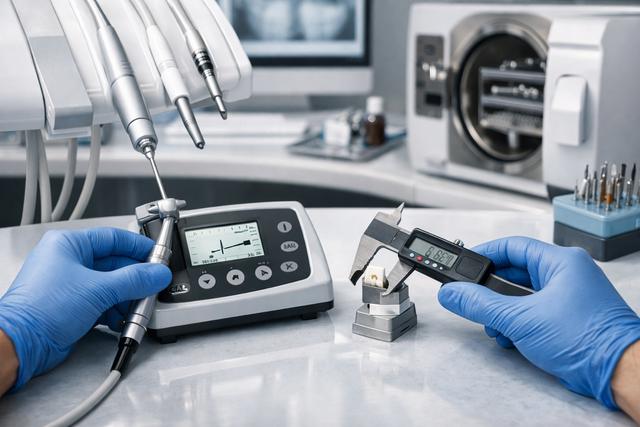
Your dental equipment should be regularly calibrated to maintain precision. This includes your impression trays, digital scanners, and milling machines. Regular maintenance can help identify issues before they lead to larger problems. For instance, a poorly calibrated milling machine can create restorations that don’t fit properly, leading to open margins.
Schedule routine checks at least twice a year to ensure everything is functioning optimally. Consider keeping a log of maintenance activities and any issues noted during each check. This will help you identify patterns that could indicate a need for more frequent servicing.
Additionally, invest in high-quality equipment that is known for its durability and accuracy. While this might be a higher upfront cost, it can save you money in the long run by reducing errors and increasing the quality of your restorations.
Effective Communication with Dental Labs
Clear communication with your dental lab is crucial. Ensure that you’re providing them with detailed notes on your expectations, including the desired margin design and material specifications. A study found that 50% of lab errors stem from miscommunication. This means that the more specific you can be, the better your outcomes will be.
Consider implementing a standardized form for lab requests. This can help ensure that all necessary information is communicated effectively, reducing the chances of misunderstandings that could lead to open margins. Include sections for specific details like tooth shade, material type, and any particular instructions regarding the margin design.
Additionally, set up regular meetings with your lab to discuss any ongoing issues or concerns. This proactive approach can help both parties address problems before they escalate.
Utilizing Digital Technology
Digital technology can significantly reduce errors in dental restorations. CAD/CAM systems allow for precise designs and can help eliminate issues related to open margins. In fact, practices using CAD/CAM report a 40% decrease in remakes due to fitting issues. This technology enables you to create restorations that fit better and are made with more precision.
If you're not already using digital impressions, consider transitioning to a system that integrates with your current workflow. This can streamline your processes and improve accuracy. For instance, digital scanners can capture a precise 3D image of the preparation site, which can be sent directly to the lab for fabrication.
Moreover, digital technology allows for real-time feedback. If a restoration doesn’t fit properly during the initial try-in, you can adjust it immediately rather than waiting for a remade restoration. This can save time and enhance patient satisfaction.
Training and Continuous Education
Investing in training for your staff can pay off in the long run. Regular workshops and courses on the latest techniques and technologies can enhance your team's skills. For instance, training on the proper use of impression materials can lead to better outcomes. Consider hosting in-house training sessions or sending your staff to external workshops.
Encourage your team to stay updated with industry trends. This can include attending conferences or subscribing to dental journals. A well-informed team is more likely to produce high-quality work with fewer errors. You might also want to consider a mentorship program where more experienced staff can guide newer team members.
Additionally, create a culture of learning within your practice. Encourage staff to share new techniques or insights they learn and to discuss how they can be implemented in your practice.
Implementing Quality Control Measures
Establishing quality control measures within your practice can help catch issues before they affect patient care. Consider implementing a checklist for each restoration, ensuring all steps are followed meticulously. For example, you could have a quality review process where each restoration is checked for fit and margin integrity before being sent to the patient.
This additional layer of scrutiny can catch potential issues early. You might also consider using a peer review system where team members review each other's work, providing constructive feedback that can lead to improvements.
Additionally, keep track of any errors or issues that arise and analyze them regularly to identify trends. This data can help you pinpoint areas that need improvement.
Feedback Loop with Patients
Creating a feedback loop with your patients can help identify issues related to restorations, including open margins. Encourage them to report any discomfort or concerns they might have. This not only helps you improve but also builds trust with your patients.
For instance, if a patient reports sensitivity around a crown, it could indicate an open margin. Addressing these concerns promptly can enhance patient satisfaction and retention. Consider sending follow-up surveys after procedures to gather feedback on their experience.
Additionally, create a system for tracking patient feedback. This will allow you to see patterns in patient concerns and adjust your practices accordingly.
Conclusion: Taking Action Against Open Margins
Open margins are a common issue in dental practices, but with the right strategies, you can effectively reduce their occurrence. Focus on improving your impression techniques, maintaining equipment, and enhancing communication with your dental lab.
Don’t forget to leverage digital technology and invest in training for your staff. By implementing these practical steps, you can improve the quality of your restorations and increase patient satisfaction.
For more resources on improving your dental practice, check out our guide on DodoDentist or explore our downloads section for helpful tools. By taking these steps, you’re not just addressing open margins; you’re enhancing the overall quality of care in your practice.