Understand the Importance of Shade Matching
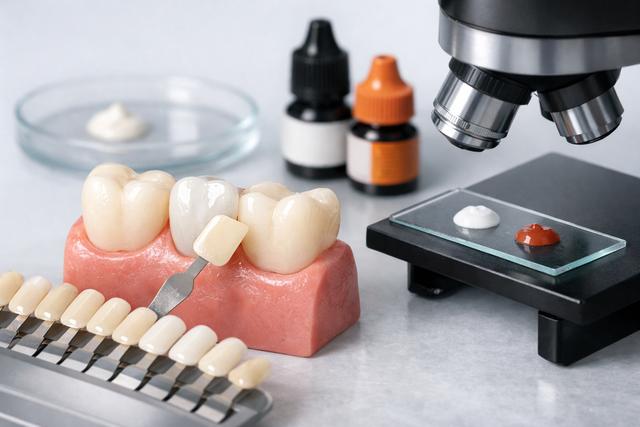
Shade matching is crucial in dentistry because it directly impacts the aesthetic outcomes of dental restorations. Over 80% of patients prioritize aesthetics when selecting dental treatments, making it essential for you to get it right. If your restorations don’t match the natural teeth, it can lead to dissatisfaction and even affect your practice's reputation, potentially costing you future referrals.
To achieve the best results, you need to understand the factors that influence shade matching. This includes the materials used, the techniques for application, and how light interacts with these materials. Knowing these can significantly enhance your aesthetic outcomes. For instance, a well-matched restoration can boost your patient satisfaction rates, leading to higher retention and more positive reviews.
Metal Oxides: The Unsung Heroes
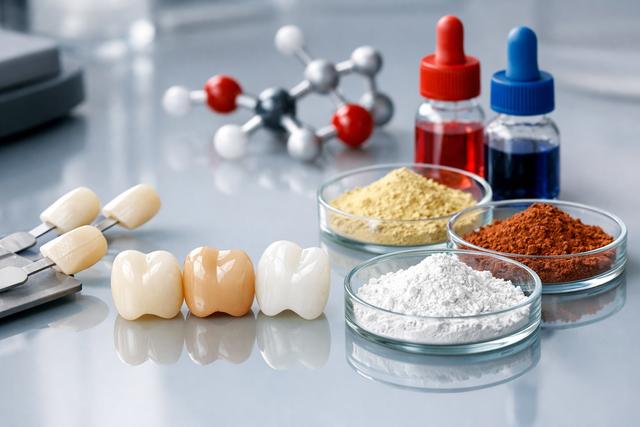
Metal oxides play a significant role in the color and opacity of composite materials. They help in achieving the desired shade by affecting light transmission and reflection. For instance, titanium dioxide (TiO2) is commonly used to enhance opacity while maintaining brightness. Studies indicate that composites with higher concentrations of metal oxides can provide better shade matching.
For example, a study found that composites with 20% TiO2 had a color match accuracy of 95% compared to those with only 10% TiO2, which achieved only 75% accuracy. This demonstrates how crucial metal oxides are in your material selection process. Understanding the specific roles of various metal oxides can help you choose the right composite for each patient, ensuring that the aesthetic result meets their expectations.
How Metal Oxides Affect Aesthetics
The aesthetic properties of dental composites are influenced by the type and concentration of metal oxides. For instance, iron oxide imparts a warm hue, making it suitable for anterior restorations where aesthetics are paramount. Conversely, zinc oxide can create a cooler tone, which may be beneficial for posterior restorations.
When selecting materials, consider the specific needs of your patients. If a patient desires a more natural look, opt for composites with a balanced mix of metal oxides that mimic the natural tooth structure. For example, using a composite with a combination of titanium and iron oxides can help achieve a more lifelike appearance.
Structural Composition Matters
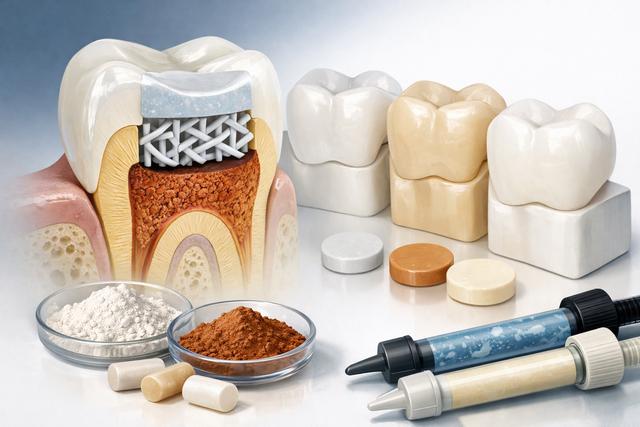
While metal oxides are essential, the structural composition of the composite also plays a vital role in shade matching. The arrangement of filler particles, the matrix material, and the overall density can significantly affect how light interacts with the composite. For example, composites with a higher filler content tend to have better light scattering properties, which can improve the overall appearance.
A study showed that composites with 70% filler content provided a more natural look compared to those with only 50% filler. The difference in aesthetic quality can be substantial, with higher filler content composites achieving a color match accuracy of 90%. This highlights the importance of considering both metal oxides and structural composition when selecting materials.
Balancing Metal Oxides and Structure
Finding the right balance between metal oxides and structural components is key to achieving optimal shade matching. You might want to experiment with different formulations to see what works best for your specific cases. Here are a few tips:
- Test various composites in clinical settings to evaluate their aesthetic outcomes. Keep a log of your findings to compare results.
- Consult with manufacturers for detailed information on the metal oxide content of their products. Understanding the material composition can guide your choices.
- Stay updated with the latest research on composite materials to make informed decisions. Journals and dental conferences often provide insights into emerging materials and techniques.
Practical Techniques for Shade Matching
Implementing effective techniques for shade matching can improve your results significantly. Here are some practical steps you can take:
- Use a Shade Guide: Always have a shade guide on hand to compare the composite with the natural tooth. This visual reference can help you make more accurate decisions.
- Lighting Conditions: Ensure you’re working under consistent lighting conditions, as different lights can alter your perception of color. Natural daylight is often the best choice for accurate shade matching.
- Layering Techniques: Consider layering different shades of composite to create depth and a more natural appearance. For instance, using a lighter shade for the incisal edge can mimic the translucency of natural teeth.
- Patient Involvement: Involve your patients in the shade selection process. Their input can guide you in achieving a result that meets their expectations.
Case Example: Successful Shade Matching
In a recent case, a patient required an anterior restoration. By selecting a composite with 20% TiO2 and 70% filler content, the dentist achieved a near-perfect color match. The patient was thrilled with the aesthetic outcome, which reinforced the importance of understanding material properties. This case not only satisfied the patient but also led to referrals, showcasing the impact of effective shade matching.
Future Trends in Composite Materials
The future of composite materials is promising, with ongoing research into more advanced formulations. Innovations may include enhanced metal oxide blends and new structural compositions that improve aesthetic outcomes even further. For example, researchers are exploring nanotechnology to create composites that mimic natural tooth structure more closely.
Staying ahead of these trends can give you a competitive edge. Regularly review industry publications and attend dental conferences to learn about the latest advancements. Your commitment to using the best materials will not only improve patient satisfaction but also enhance your practice's reputation. Consider subscribing to dental journals or online platforms that focus on material science in dentistry.
Conclusion: Make Informed Choices
Ultimately, the choice between metal oxides and structural composition in composite materials is not straightforward. Both elements play crucial roles in achieving the desired aesthetic outcomes. By understanding how each component affects shade matching, you can make informed decisions that will enhance your restorative work.
For further insights into dental materials and practice management, consider exploring more resources on our blog. You can also check out DodoDentist for software solutions that can streamline your practice. Remember, the right tools and knowledge can make a significant difference in your practice and patient satisfaction.