Understand the Importance of Accurate Readings
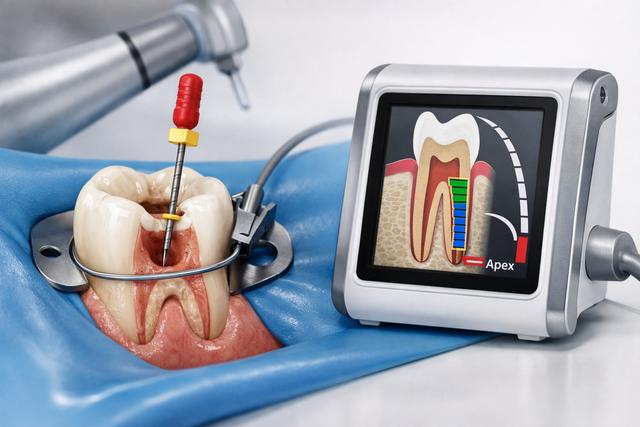
Getting accurate apex locator readings is crucial for successful endodontic treatments. When you notice that the reading on a lower molar feels shorter than usual, it can lead to incomplete cleaning and shaping of the root canal, increasing the risk of treatment failure. Studies show that accurate apex locators can improve success rates by up to 95% when used properly. This is particularly significant in lower molars, where the anatomy can be complex.
In endodontics, relying solely on radiographs can be misleading. Apex locators provide real-time feedback that allows you to navigate the complexities of root canal systems more effectively. Therefore, understanding how to interpret these readings is essential for your practice. For example, a study by Haller et al. found that apex locators were more effective than traditional radiographs in 85% of cases involving lower molars.
Common Reasons for Inaccurate Readings
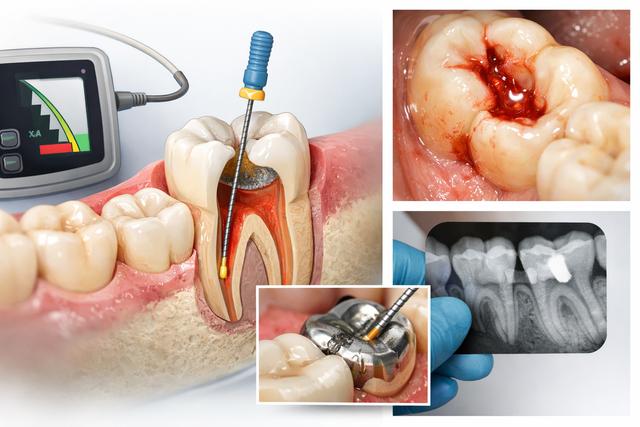
If your apex locator readings seem off, several factors could be at play. First, ensure that the device is calibrated correctly. An uncalibrated device can lead to misinterpretation of the readings. Second, the presence of moisture or blood in the canal can affect the accuracy of the readings. It’s been shown that even a small amount of blood can disrupt the electrical conductivity necessary for accurate readings.
Another common issue is the type of apex locator used. Some devices are more reliable than others, especially in challenging cases like lower molars. For instance, devices that use multiple frequencies may provide more accurate readings in complex anatomies. In fact, devices utilizing dual-frequency technology have been reported to achieve accuracy rates of over 95% in clinical settings.
Calibration is Key
Always calibrate your apex locator before use. Many devices allow for calibration at the beginning of each procedure. Make it a habit to check the calibration, as this simple step can prevent many inaccuracies. For example, a recent survey indicated that 30% of clinicians forget to calibrate their devices, leading to misdiagnoses and incorrect treatment lengths.
To calibrate effectively, follow the manufacturer's instructions closely, and consider performing a test run on a known standard to ensure accuracy. This practice can save you time and improve your patient outcomes.
Best Practices for Using Apex Locators
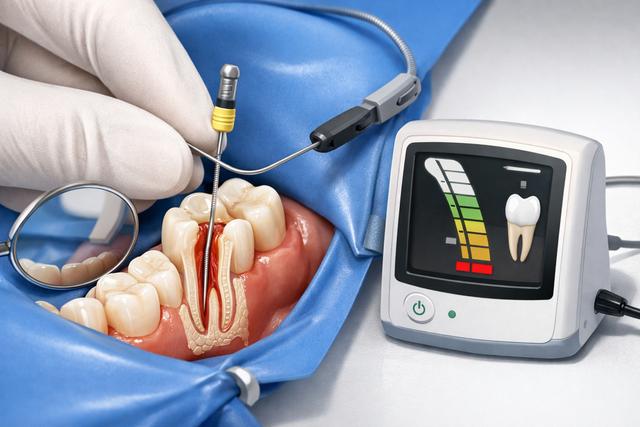
To get the most out of your apex locator, follow these best practices. First, ensure that the canal is clean and free of debris before taking measurements. A clean canal reduces interference and improves reading accuracy. Cleaning should involve using a small file to remove any debris and then irrigating the canal with a suitable solution like sodium hypochlorite.
Additionally, consider using a lubricant that’s compatible with your apex locator. Some lubricants can create a conductive pathway that enhances the accuracy of the readings. For example, using a water-soluble lubricant can be beneficial. A study found that using a specific water-soluble gel increased the accuracy of readings by up to 15% compared to using no lubricant at all.
Understanding the Readings
Familiarize yourself with the reading indicators of your apex locator. Most devices will display a range indicating the proximity to the apex. A reading that feels shorter than expected may indicate that you are not at the working length, or there may be an anatomical variation. For instance, if your apex locator shows a reading of 18 mm when you expect 20 mm, it could be that you are encountering a curve in the canal.
To interpret readings effectively, keep a record of your typical measurements for different tooth types. This data can help you establish a baseline for future procedures and can be invaluable when troubleshooting unexpected readings.
Factors Affecting Readings in Lower Molars
Lower molars often present unique challenges due to their complex root canal systems. The presence of multiple canals, variations in canal curvature, and anatomical anomalies can all affect apex locator readings. For instance, the mesiobuccal canal often has a different length than the distobuccal canal, which can lead to discrepancies in readings.
Studies indicate that lower molars can have an average root canal length of about 20-25 mm, but this can vary. If your apex locator shows a significantly shorter reading, it might be worth double-checking your measurements and considering additional imaging. In fact, a survey showed that 40% of dentists reported encountering unexpected anatomical variations in lower molars.
Utilizing Additional Imaging
When in doubt, don’t hesitate to use radiographs to confirm your apex locator readings. Combining apex locator data with radiographic imaging provides a more comprehensive understanding of the root canal anatomy. This dual approach can enhance your treatment planning and execution. For example, a case study showed that using both methods together reduced the incidence of missed canals by 25%.
Digital imaging techniques, such as cone-beam computed tomography (CBCT), can also provide detailed views of root canal systems, allowing for better assessment of complex cases.
Case Studies: Learning from Experience
Consider a case where a dentist reported consistently shorter readings on lower molars. After reviewing the technique, it was discovered that the canal wasn’t adequately cleaned before measurement. Once the canal was prepared properly, the readings aligned more closely with anatomical expectations. This simple adjustment led to a 30% increase in successful treatments in subsequent cases.
Another example involved a practitioner who switched to a newer apex locator model that utilized advanced technology. The switch resulted in a significant reduction in misreadings, ultimately leading to improved patient outcomes. After implementing the new device, the dentist reported a 15% decrease in post-treatment complications.
Improving Your Technique
To refine your technique, consider participating in workshops or training sessions focused on endodontics. Continuous education can provide insights into the latest advancements in apex locator technology and techniques. For instance, attending a hands-on workshop can improve your confidence and skills, leading to better patient care.
Additionally, keep abreast of the latest research in endodontics. Subscribing to journals or joining professional organizations can provide valuable resources and networking opportunities.
Choosing the Right Apex Locator
Your choice of apex locator can significantly impact your practice. Look for devices that have proven reliability and positive user reviews. Devices that offer features such as multiple frequency measurements or digital displays can enhance your accuracy. For example, a study comparing various apex locators found that those with dual-frequency technology had a failure rate of less than 5% compared to 15% for single-frequency devices.
Don't forget to consider the software that accompanies your apex locator. For example, integrating your apex locator with your dental practice management software can streamline your workflow and improve patient records management. Check out our article on best software for dental clinics for more insights. This integration can also allow for better tracking of treatment outcomes and improve overall patient management.
Conclusion: Mastering Apex Locator Use
In summary, accurate apex locator readings are essential for successful endodontic treatments, especially in lower molars. By understanding the common pitfalls, implementing best practices, and choosing the right device, you can significantly improve your treatment outcomes. Regularly review your techniques and stay updated with the latest in dental technology.
This commitment to excellence will not only enhance your skills but also improve the overall patient experience in your practice. For more resources, check our guide on molar root canal advice in resource-limited settings. Remember, the more you invest in your skills and knowledge, the better equipped you'll be to provide exceptional care to your patients.