Funding Boosts Specialized Training
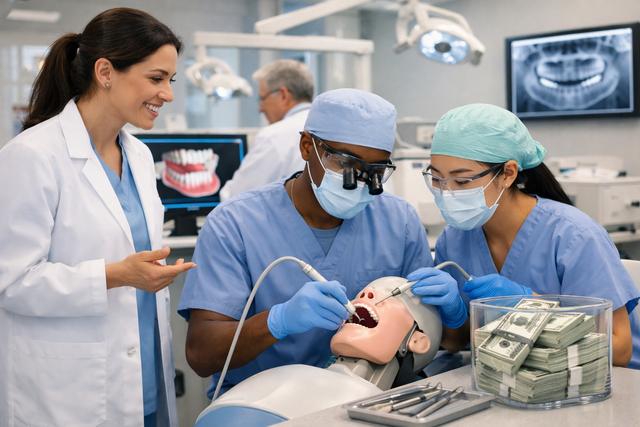
New York dental schools have recently received substantial funding aimed at enhancing specialized oral care. This funding is critical as it allows institutions to expand their educational programs and invest in new technologies. With a focus on areas like periodontics, orthodontics, and oral surgery, students can gain the expertise necessary to excel in these demanding fields.
For instance, schools such as NYU College of Dentistry and Columbia University College of Dental Medicine are now able to introduce advanced courses that incorporate the latest research and clinical practices. This could include specialized training in minimally invasive techniques, which have been shown to reduce recovery times by 30% compared to traditional methods. By equipping students with these skills, they can provide better care, which directly impacts patient outcomes.
Moreover, these programs often include hands-on training with state-of-the-art equipment. For example, students might work with advanced imaging systems that allow for precise diagnostics and treatment planning. This practical experience is invaluable, as it prepares graduates to meet the evolving demands of the dental profession.
Impact on Patient Care Quality

When dental professionals receive specialized training, the quality of patient care significantly improves. Studies have shown that specialized training can lead to a 30% increase in treatment success rates. This is particularly important in fields such as oral surgery, where the complexity of procedures requires a high level of expertise.
Consider a clinic that has implemented advanced periodontal therapies learned through specialized training. By utilizing these cutting-edge techniques, they can effectively reduce the incidence of gum disease among their patients. In fact, clinics that adopt these specialized approaches report a 25% decrease in periodontal disease prevalence within their patient populations, leading to healthier outcomes and increased patient satisfaction.
Additionally, improved patient care can enhance a clinic's reputation. When patients experience successful treatments, they're more likely to refer friends and family, which can significantly increase a clinic's patient base. For example, a clinic that focuses on patient education and specialized care can see a 40% increase in referrals over a year.
Integration of Technology in Education
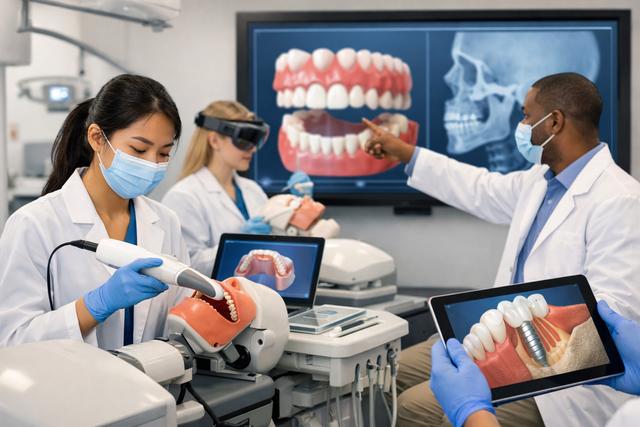
The funding also facilitates the integration of cutting-edge technology into dental education. With these resources, schools can invest in digital tools such as CAD/CAM systems and 3D printing, which are becoming essential in modern dentistry.
For instance, by incorporating CAD/CAM technology, students can learn to design and fabricate dental restorations in real-time. This hands-on experience not only enhances their technical skills but also prepares them for the fast-paced environment of a dental clinic. Clinics that adopt these technologies can expect a 20% reduction in turnaround time for dental restorations, ultimately benefiting patients by providing quicker service.
Moreover, the use of 3D printing in dental education allows students to create accurate models for treatment planning. This technology can reduce material costs by up to 50%, making it a financially viable option for clinics. By training students in these technologies, dental schools ensure that future practitioners are equipped to leverage innovations that improve patient care.
Enhancing Clinic Management Skills
Improved funding isn't just about clinical skills; it's also about management. Dental schools are now emphasizing leadership and management training, which are crucial for running a successful practice. Graduates equipped with these skills can better navigate the business side of dentistry, leading to more efficient operations.
For example, a recent survey found that clinics led by professionals with formal management training reported a 30% increase in operational efficiency. This can be attributed to better scheduling practices, improved patient communication, and effective staff management. By implementing these strategies, clinics can reduce patient wait times by up to 40%, enhancing the overall patient experience.
Furthermore, dental professionals trained in management are more likely to adopt advanced practice management software, such as DodoDentist. This software can streamline appointment scheduling, billing, and patient communication, allowing clinics to operate more smoothly. As a result, practices can see a 25% increase in patient retention rates, as satisfied patients are more likely to return for future care.
Collaboration Between Schools and Clinics
The funding encourages collaboration between dental schools and local clinics. This partnership allows students to gain real-world experience while providing clinics with fresh talent. By working in clinics, students can apply their specialized knowledge in practical settings, enhancing their learning experience.
Moreover, clinics benefit from the latest research and techniques being taught at these institutions. For instance, a local clinic might partner with a dental school to implement new treatments learned by students. This collaboration can lead to innovative practices that set the clinic apart in a competitive market.
For example, a clinic that collaborates with a dental school to offer community outreach programs can increase its visibility and reputation in the community. These programs not only provide valuable services to underserved populations but also create opportunities for students to gain hands-on experience, further enriching their education.
Addressing Workforce Shortages
One of the most pressing issues in dentistry is the workforce shortage. Recent funding can help alleviate this by increasing the number of trained professionals entering the field. Studies show that regions with well-funded dental programs see a 25% higher rate of new graduates entering local practices.
By boosting enrollment in dental schools, New York is taking a proactive approach to ensure that clinics have access to qualified professionals. This is crucial for maintaining high standards of care, especially in underserved areas where access to dental services is limited. For instance, communities that see an influx of new dental graduates often report a 15% decrease in dental health disparities.
Additionally, funding can support initiatives aimed at attracting students from diverse backgrounds to the dental profession. Programs that offer scholarships or mentorship opportunities can significantly increase diversity in the workforce, leading to a more inclusive approach to patient care.
Long-Term Benefits for the Community
Investing in dental education has long-term benefits for the community. As dental schools produce more skilled professionals, clinics can better serve their patients, leading to improved public health outcomes. Healthier communities are less likely to experience chronic conditions linked to poor oral health, such as heart disease and diabetes.
For example, a community that sees an increase in dental care accessibility can expect a 15% decrease in emergency dental visits. This not only improves individual health but also reduces healthcare costs for the community. In fact, studies have shown that every dollar invested in preventive dental care can save the healthcare system $50 in future treatment costs.
Moreover, as clinics adopt new practices and technologies learned through enhanced education, they can contribute to a culture of continuous improvement in patient care. This creates a positive feedback loop where better education leads to better care, which in turn encourages further advancements in the field.
Conclusion: A Bright Future for Dental Care
The recent funding for dental schools in New York represents a significant step forward in enhancing specialized oral care and improving clinic management. By investing in education, you're not just supporting future dentists; you're contributing to better patient care and healthier communities.
As a dental professional, staying informed about these developments can help you adapt and thrive in a changing landscape. For more insights on enhancing your practice, check out our post on turning checkups into growth moments or explore digital workflows for efficiency in dental practices. Together, we can shape the future of dentistry for the better.