Respond Quickly to Negative Reviews

When you receive a 1-star review, your first instinct might be to respond immediately. However, it’s crucial to take a moment to assess the situation before you react. Responding within 24 hours shows that you value patient feedback, but it’s essential to do so thoughtfully.
Start by acknowledging the patient's concerns. For example, if a patient complains about long wait times, you might say, “I’m sorry to hear about your wait time during your last visit. We strive to respect our patients’ time and appreciate your feedback.” This approach shows empathy and can help de-escalate the situation.
Additionally, consider using a template for your responses to ensure consistency and professionalism. A well-crafted response can turn a negative experience into a positive one. For instance, you can say, “We’re committed to improving our service and would love to discuss this further. Please reach out to us directly.” This not only addresses the concern but also invites the patient to engage in a dialogue.
Research indicates that 53% of consumers expect businesses to respond to negative reviews within a week. By responding quickly, you’re not just addressing the reviewer but also demonstrating to potential patients that you care about feedback.
Use Feedback as a Learning Tool
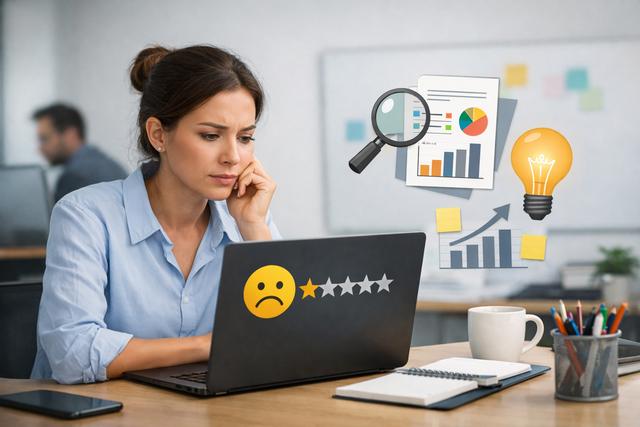
Every negative review is an opportunity for growth. Analyze the feedback you receive to identify patterns or recurring issues. If multiple patients mention the same problem, it’s time to address it.
For example, if patients frequently complain about the cleanliness of your office, you might implement a more rigorous cleaning schedule. Consider assigning specific cleaning tasks to staff members and conducting weekly audits to ensure compliance. Share these improvements with your patients to show that their feedback has led to real changes.
Furthermore, you can create a system for collecting feedback after appointments. Use tools like SMS or WhatsApp to send a quick survey asking patients about their experience. For instance, you might ask: “On a scale of 1 to 10, how satisfied were you with your visit today?” This proactive approach can help you catch issues before they escalate to negative reviews.
Encourage Positive Reviews

While it’s essential to handle negative reviews effectively, don’t forget to encourage satisfied patients to leave positive feedback. Research shows that 70% of consumers will leave a review if asked, so make it a part of your routine.
After a successful appointment, send a follow-up message thanking the patient for their visit and kindly asking them to share their experience online. You can use platforms like WhatsApp for this purpose. A simple, “If you enjoyed your visit, we’d appreciate your feedback on Google!” can go a long way.
Incentivizing reviews can also be effective. Consider running a monthly raffle where patients who leave a review are entered to win a small prize, such as a dental care kit or a gift card. This not only boosts your online presence but also enhances patient engagement.
Monitor Your Online Reputation
Keeping an eye on your online reputation is crucial. Set up alerts for your practice name on platforms like Google and Yelp to stay informed about new reviews. This proactive approach allows you to respond promptly and stay ahead of any potential issues.
Regular monitoring allows you to respond promptly and stay ahead of any potential issues. You can also use tools like Google My Business to manage your online presence effectively. Ensure that your information is accurate and up-to-date, which can help mitigate negative reviews.
Consider scheduling a weekly review session where you and your team discuss recent feedback. This can foster a culture of accountability and improvement within your practice. Plus, sharing positive reviews during these sessions can boost team morale.
Train Your Team on Customer Service
Your staff plays a vital role in shaping patient experiences. Invest in training programs that focus on customer service skills. A well-trained team can help prevent negative experiences from occurring in the first place.
Consider role-playing scenarios where staff members practice handling difficult situations. This training can empower them to resolve issues before they escalate to negative reviews. For example, if a patient is upset about a billing issue, your staff should know how to address it calmly and professionally.
Moreover, implement regular training sessions—at least quarterly—to refresh your team's skills. You might bring in a customer service expert or use online resources to provide ongoing education. Research shows that practices with well-trained staff see a 10% increase in patient satisfaction ratings.
Respond Publicly, Resolve Privately
When addressing a negative review, respond publicly but resolve the issue privately. This approach shows potential patients that you take feedback seriously while protecting the privacy of the individual.
For instance, you can respond to a review by saying, “We’re sorry to hear about your experience. Please contact us at [phone number] so we can resolve this issue directly.” This not only demonstrates your commitment to patient satisfaction but also encourages others to reach out with their concerns.
Make sure to follow up with the patient privately to address their concerns. If they’re satisfied with your resolution, encourage them to update their review to reflect their improved experience. This can turn a negative situation into a success story.
Utilize Your Dental Management Software
Use your dental management software to streamline the feedback process. Tools like DodoDentist can help you track patient interactions and identify trends in feedback. This data can be invaluable when addressing common issues that lead to negative reviews.
For example, if your software shows a pattern of complaints about appointment scheduling, you might consider adjusting your scheduling system to accommodate patients better. This proactive approach can enhance patient satisfaction and reduce the likelihood of negative reviews.
Additionally, use your software to automate follow-up messages after appointments. You can set up reminders for patients to leave feedback, which can significantly increase your chances of receiving positive reviews.
Learn from Competitors
Take a look at how other dental practices handle negative reviews. Analyze their responses and see what works and what doesn’t. This can provide you with new strategies to implement in your practice.
For example, if a competitor effectively turns a negative review into a positive interaction, consider adopting a similar approach. Learning from others can help you refine your strategies and improve patient relationships.
Consider joining dental forums or local business groups where you can share experiences with other practitioners. This networking can provide insights into effective review management strategies that you might not have considered.
Conclusion: Turn Negatives into Positives
Handling negative reviews doesn’t have to be daunting. By responding quickly, using feedback as a learning tool, and encouraging positive reviews, you can improve patient relationships and enhance your practice’s reputation.
Remember to train your team, monitor your online presence, and utilize your dental management software effectively. Each negative review is an opportunity for improvement, so embrace it and turn it into a positive experience for your patients.
For more resources on managing your dental practice, check out our DodoDentist website and explore our tools to help streamline your operations.